
 See Our Latest Article on HelloNation

How Does Posture Influence Overall Health?
Poor posture doesn’t just cause occasional aches or make someone look less confident; it can have far-reaching effects on daily well-being. When the spine and muscles are consistently out of alignment, it can disrupt the body’s natural balance, leading to both immediate and long-term health concerns for residents of Onondaga, NY.
Many people notice discomfort first—tight shoulders, a stiff neck, or lower back pain after spending long hours at a desk or hunched over a phone. What’s less obvious is that persistent bad posture can influence how the body functions, from breathing to digestion.
What Common Health Issues Are Linked to Poor Posture?
Staying in a slouched or unbalanced position presents more than cosmetic concerns. In Onondaga, prolonged poor posture is connected to these common problems:
- Back and neck pain: Misalignment strains the spine’s supporting muscles, causing tension and discomfort that often increases with time.
- Reduced flexibility and mobility: Stiffness in the hips, shoulders, or neck can gradually limit movement and make everyday tasks harder.
- Headaches: Forward head posture, which is common while looking at digital devices, places pressure on the upper spine and can trigger tension headaches.
- Joint wear and tear: Poor alignment places extra stress on joints, which may speed up the natural wear and tear associated with conditions like osteoarthritis.
Can Bad Posture Affect More Than Muscles and Joints?
Yes—postural habits can impact body systems that are easy to overlook. In Onondaga, where long winter seasons and periods of more indoor activity are common, local residents may notice some of these effects:
- Breathing difficulties: Slouching compresses the chest, limiting how deeply the lungs can expand. Over time, this subtle restriction can reduce stamina, especially when walking up local hills or shoveling snow.
- Digestive issues: Sitting in a hunched position after meals may contribute to heartburn or slowed digestion, as abdominal organs are compressed.
- Circulation changes: Spending hours seated with poor posture can impede blood flow, contributing to varicose veins or cold extremities during colder local months.
How Might Poor Posture Influence Mood and Energy?
There’s a link between posture and emotional well-being. Slouched or tense posture has been associated with feelings of low energy or stress. For some people in Onondaga, consciously adjusting posture—standing tall or uncrossing arms—can lead to improved mood and alertness.
Prolonged bad posture may also interfere with sleep quality. Discomfort from muscle tension or ongoing aches can make it harder to find a restful sleeping position, leaving area households more fatigued.
Why Is Posture Often Overlooked in Daily Life?
Many residents don’t realize how small daily habits add up over time. In the city, people often commute, work, and relax in ways that promote poor posture:
- Long hours sitting in cars, at desks, or on couches.
- Increased time on phones, tablets, or laptops, especially during the colder months.
- Lack of awareness or reminders to change position during repetitive tasks.
Posture tends to get noticed only after symptoms develop, and common misconceptions suggest that simply “standing up straight” is enough to fix deeper imbalances. However, stretching, movement, and ergonomic adjustments play vital roles.
What Are Practical Ways to Improve Everyday Posture?
Residents of the community interested in supporting their long-term health can benefit from a few accessible adjustments:
- Vary sitting and standing positions during the day; take short movement breaks if working at a desk.
- Set up home workspaces so that screens are at eye level, and chairs support the lower back.
- Periodically stretch tight areas, especially neck, chest, and hips, to counterbalance time spent sitting.
- Pay attention to foot support—feet flat on the floor helps distribute weight evenly.
- Use reminders (alarms or sticky notes) to check in with posture throughout the day.
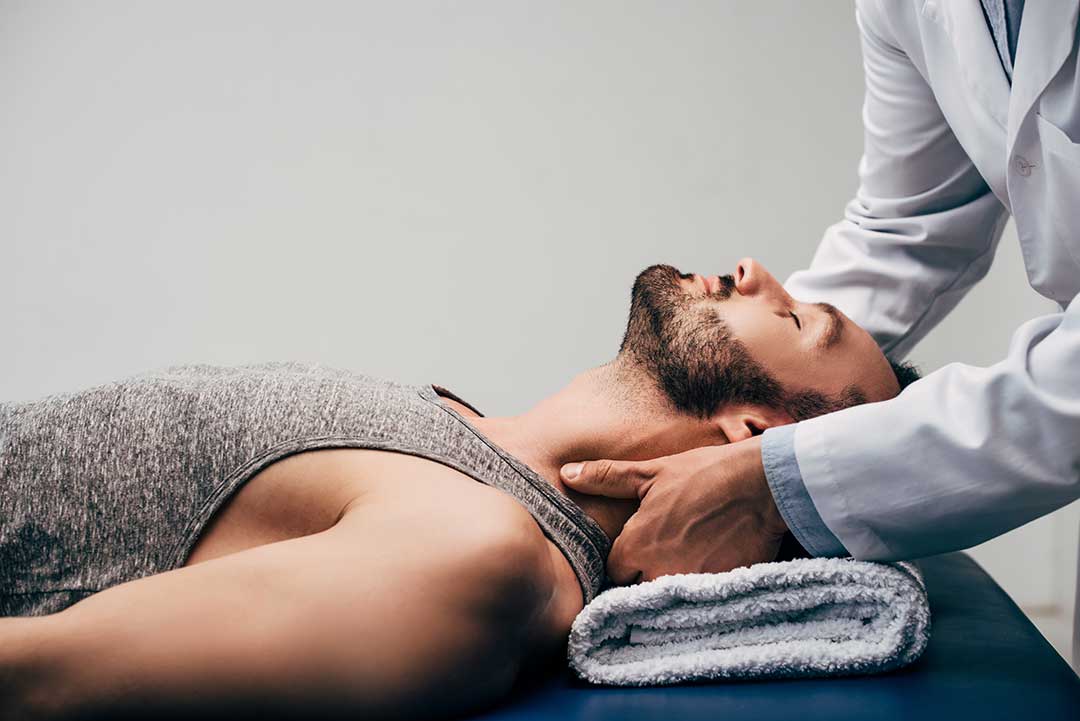
Local factors like icy sidewalks in winter and the need to carry groceries or supplies during certain seasons can make body awareness even more important.
When Should Residents Seek Help for Posture-Related Issues?
While mild aches often improve with self-care and good habits, there are times when outside advice is needed:
- Persistent pain that interferes with sleep, work, or favorite activities.
- Numbness, tingling, or weakness in arms or legs.
- Changes in walking pattern or balance.
For issues that don’t improve with home strategies, a licensed healthcare provider can check for underlying conditions.
Are There Seasonal or Local Concerns for Residents?
The climate and lifestyle patterns in Onondaga bring some unique postural challenges. Winter activities, like snow shoveling, can put extra strain on the back and shoulders, especially if posture slips under fatigue. At home, extended time spent indoors during colder months can encourage sedentary routines. Simple practices—like taking regular indoor walks or stretching while watching TV—may help reduce stiffness and promote good alignment.
Warmer months often encourage more outdoor movement, which is helpful for natural posture realignment but it's still common to fall into habits like slouching on park benches or during gardening. Body awareness is important in all seasons.
How Can Parents Support Good Posture in Children?
Developing healthy postural habits early sets a foundation for long-term well-being. In Onondaga homes and schools, consider:
- Ensuring that children’s backpacks are properly fitted and not overloaded.
- Encouraging breaks from screen time.
- Providing appropriately sized furniture for study and relaxation.
- Modeling good posture as adults to set an everyday example.
Addressing these small steps may help children maintain both comfort and confidence as they grow.
