
 See Our Latest Article on HelloNation
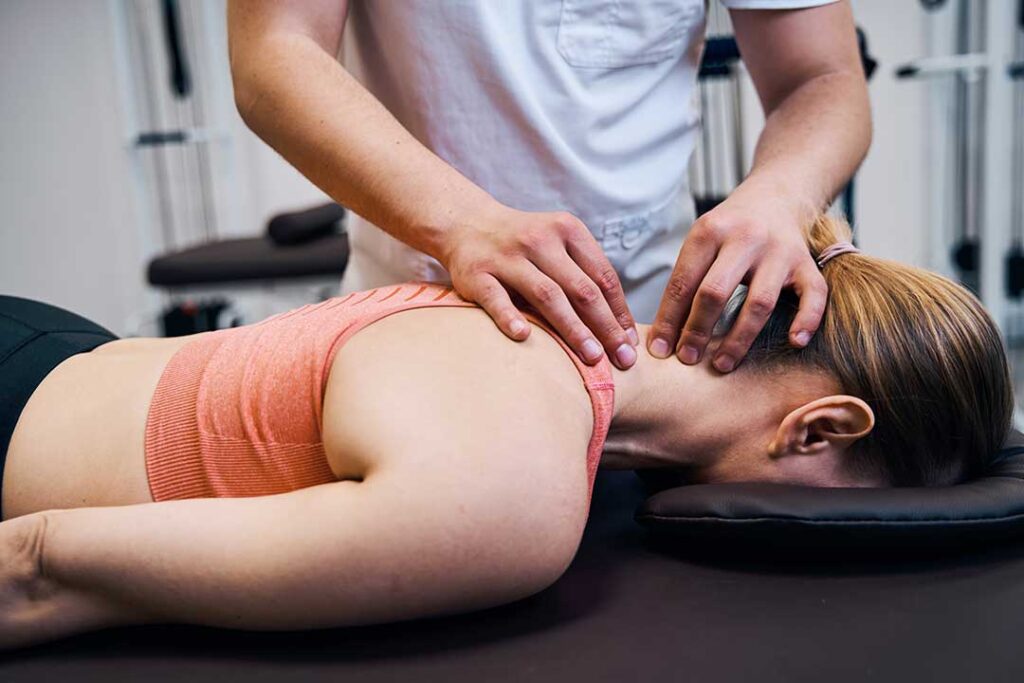
What role can chiropractic care play after a sports injury in Onondaga, NY?
Chiropractic care may help some people with sports-related muscle, joint, and back injuries by reducing discomfort, improving movement, and supporting a gradual return to activity. It is generally most useful as one part of a broader recovery plan rather than as a replacement for diagnosis, rehabilitation, or urgent medical care.
Sports injuries range from mild muscle strains and overuse pain to ligament tears, fractures, dislocations, and concussions. The appropriate response depends on the tissue involved, how the injury occurred, the athlete’s age and health, and whether symptoms are improving.
A chiropractic evaluation commonly includes a health history, movement assessment, strength or neurological testing, and discussion of training habits. Chiropractors often focus on musculoskeletal conditions and may use manual therapy, exercise guidance, and activity modification. ([nccih.nih.gov](https://www.nccih.nih.gov/health/chiropractic-in-depth?utm_source=openai))
Which sports injuries may respond to chiropractic treatment?
Chiropractic care is most commonly considered for injuries involving the muscles, joints, and spine. Examples include:
- Mechanical low-back pain after lifting, twisting, running, or contact
- Neck or upper-back stiffness after a fall or collision
- Restricted movement in the shoulder, hip, knee, or ankle
- Muscle tightness or mild strains
- Repetitive-use pain related to training volume or technique
- Joint discomfort that continues after the initial swelling has settled
Treatment may involve gentle joint mobilization, soft-tissue techniques, stretching, strengthening, and advice about temporarily reducing aggravating activities. Spinal manipulation is one possible technique, but it is not appropriate for every injury or every person.
Evidence is strongest for some forms of back and neck pain, not for every type of sports injury. Research summarized by the National Center for Complementary and Integrative Health indicates that spinal manipulation may provide modest improvements in pain and function for acute or chronic low-back pain, with results that vary among individuals. ([nccih.nih.gov](https://www.nccih.nih.gov/health/spinal-manipulation-what-you-need-to-know?utm_source=openai))
How might chiropractic care support recovery?
It may improve short-term movement
Pain often causes a person to move differently. An athlete may limp, guard one side, rotate the trunk less, or avoid putting weight through an injured limb. Those protective changes can place extra stress on nearby muscles and joints.
Manual therapy and carefully selected movement exercises may help restore comfortable motion. The goal is not simply to make a joint “move more,” but to improve useful movement without increasing swelling or irritation.
It may reduce reliance on complete rest
Long periods of inactivity can lead to stiffness, reduced conditioning, and fear of movement. For many uncomplicated musculoskeletal injuries, a gradual return to tolerable activity is more useful than remaining completely inactive.
A recovery plan may begin with walking, gentle range-of-motion exercises, or low-load strengthening. The level of activity should be adjusted according to pain, swelling, strength, balance, and sport-specific demands.
It may identify contributing habits
An injury may be related not only to a single event but also to training changes. Common contributors include:
- A sudden increase in mileage, lifting volume, or practice time
- Inadequate recovery between sessions
- Poor sleep or insufficient nutrition
- Weakness or reduced control on one side
- Repeated technique problems
- Returning to competition before strength and movement have recovered
For residents who remain active through cold winters, indoor training, shoveling, uneven surfaces, and seasonal changes in activity can also affect the back, hips, knees, and ankles. A useful assessment considers what the person does outside organized practices as well as during the sport itself.
Can chiropractic care prevent sports injuries?
It may help address modifiable factors such as limited mobility, weakness, poor balance, or inefficient movement, but no treatment can guarantee injury prevention. Injury risk is influenced by training load, previous injuries, equipment, playing conditions, age, recovery, and chance.
Prevention is usually strongest when it combines progressive strength training, sport-specific conditioning, warm-up routines, balance work, adequate rest, and attention to technique. Athletic medicine guidance emphasizes that return-to-sport decisions and injury management should account for the individual injury and involve appropriate assessment and rehabilitation. ([acsm.org](https://acsm.org/education-resources/pronouncements-scientific-communications/team-physician-consensus-statements/?utm_source=openai))
Chiropractic care may complement these measures, especially when the main problem is musculoskeletal pain or restricted movement. It should not be presented as a substitute for conditioning or as a way to make an athlete safe to play through an injury.
What does a typical sports-injury visit involve?
The first step is usually determining whether the problem appears appropriate for conservative musculoskeletal care. Questions may cover:
- How and when the injury occurred
- Whether there was a pop, fall, collision, or direct blow
- Pain location, severity, and pattern
- Swelling, bruising, weakness, numbness, or instability
- Previous injuries and current medications
- Training schedule and recent changes in activity

The examination may compare both sides of the body and assess range of motion, strength, balance, walking, and sport-related movements.
Treatment can include manual therapy, mobilization, exercise instruction, and guidance on modifying practice or daily activities. A reasonable plan should include a way to monitor progress. Increasing pain, swelling, weakness, or loss of function may mean the diagnosis or treatment approach needs to be reconsidered.
When should an athlete seek medical evaluation first?
Some injuries require urgent evaluation rather than manipulation or exercise. Medical assessment is especially important after a significant collision, fall, or twisting injury when there is:
- Inability to bear weight or use the limb normally
- Visible deformity or a joint that appears out of place
- Rapid or severe swelling
- Severe pain that does not settle with rest
- New numbness, tingling, or loss of strength
- A limb that is unusually pale, blue, or cold
- Persistent vomiting, confusion, worsening headache, or loss of consciousness
- Loss of bladder or bowel control with back pain
A suspected fracture, dislocation, major ligament injury, serious nerve problem, or concussion should not be managed solely with chiropractic treatment. Neck manipulation also deserves particular caution. Mild temporary soreness or stiffness can occur after spinal manipulation, while serious complications are rare but have been reported; a thorough history and risk assessment are important. ([nccih.nih.gov](https://www.nccih.nih.gov/health/spinal-manipulation-what-you-need-to-know?utm_source=openai))
How should an athlete know when it is safe to return?
Less pain does not always mean the injury is ready for competition. Before returning, an athlete generally needs sufficient range of motion, strength, balance, coordination, and confidence for the demands of the sport.
A gradual progression may move from:
1. Normal daily activities
2. Light individual exercise
3. Sport-specific drills
4. Faster or more complex movements
5. Limited practice
6. Full practice and competition
Symptoms during the activity and later that day or the next morning are useful feedback. Pain that steadily increases, renewed swelling, limping, or compensation through another body part suggests that the progression may be too fast.
For young athletes, decisions should also consider growth, communication with parents or guardians, and the rules of the school or sports program. For adults, work demands, household responsibilities, and winter conditions in the community may influence how quickly normal activity can be resumed.
Chiropractic care can be a reasonable part of recovery for selected sports injuries, particularly when it is paired with active rehabilitation, appropriate load management, and clear safety boundaries. The central question is not whether one treatment works for every injury, but whether the overall plan is helping the athlete move better, regain capacity, and return safely.
