
 See Our Latest Article on HelloNation

Is cracking a joint harmful?
Usually, a painless crack or pop is not a sign that a joint is being damaged. Many normal joint sounds come from changes in pressure inside synovial fluid, the lubricating liquid around a joint, or from tendons and ligaments moving across nearby structures. Knuckle cracking by itself has not been shown to cause arthritis. ([arthritis.org](https://www.arthritis.org/health-wellness/about-arthritis/understanding-arthritis/debunking-arthritis-myths?utm_source=openai))
The sound may occur in the fingers, knees, shoulders, hips, ankles, back, or neck. A person may notice it more during certain movements, after sitting for a long time, or when muscles and connective tissues are tight. Sound alone, especially without pain or swelling, usually does not tell the full story about joint health.
For residents of Onondaga, seasonal habits can also make joint noises more noticeable. Long periods indoors during cold weather, shoveling, winter recreation, or returning to outdoor activity in spring may change how frequently a joint is moved. That does not mean the noise itself is harmful.
What actually causes the cracking sound?
Several different mechanisms can produce a “crack,” “pop,” “snap,” or “grind.” The sound does not always come from the same process.
Common causes include:
- Pressure changes in joint fluid. When a joint is stretched or moved, dissolved gases can form or shift within the fluid, creating a popping sound.
- Tendons or ligaments moving. A tendon may briefly shift over a bony prominence and produce a snapping sensation.
- Movement after inactivity. A joint may sound louder after sitting, sleeping, or holding one position for a long time.
- Surface changes within a joint. Rougher cartilage surfaces, bone spurs, or inflammation may create grinding or creaking, often called crepitus.
- A recent injury. A new pop followed by swelling, weakness, locking, or loss of motion can indicate an injury rather than a harmless joint sound.
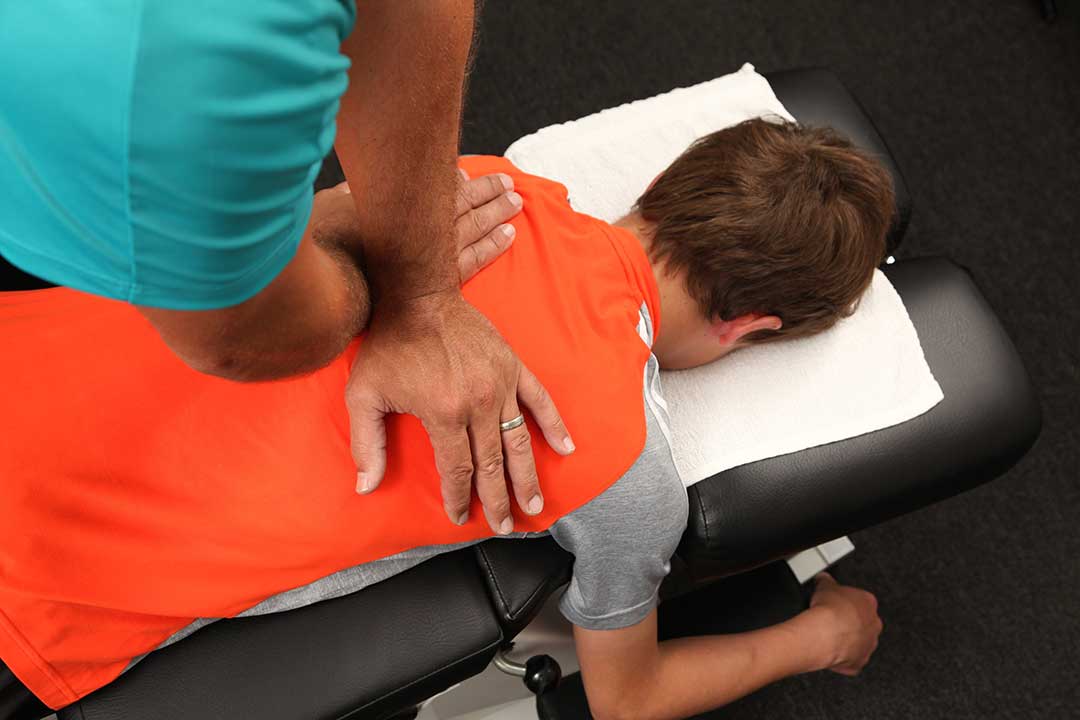
A cracking noise heard during a chiropractic adjustment is also commonly associated with gas being released from a joint. The noise is not proof that a bone was “put back into place,” nor does the sound by itself prove that an adjustment was necessary. ([my.clevelandclinic.org](https://my.clevelandclinic.org/health/treatments/21033-chiropractic-adjustment?utm_source=openai))
Does cracking your knuckles cause arthritis?
Current medical guidance does not support the common warning that knuckle cracking causes arthritis. The Arthritis Foundation describes this as a myth, noting that the noise is generally related to gases moving in and out of solution within the joint. ([arthritis.org](https://www.arthritis.org/health-wellness/about-arthritis/understanding-arthritis/debunking-arthritis-myths?utm_source=openai))
That answer applies to ordinary, painless knuckle cracking. It does not mean every hand symptom should be ignored. Hand pain, swelling, reduced grip strength, numbness, deformity, or stiffness that interferes with daily tasks may have another cause, including arthritis, tendon problems, nerve irritation, or a previous injury.
It is also possible to crack a joint too forcefully or repeatedly irritate the surrounding soft tissues. Avoid using excessive force, especially if a movement causes pain or requires twisting against resistance.
Is cracking the neck or back different?
Neck and back noises can also occur during normal movement, but forceful self-manipulation deserves more caution than gently moving the fingers. Repeatedly twisting the neck to produce a crack may temporarily feel relieving while leaving the underlying muscle tension, posture, workstation setup, or movement limitation unchanged.
Do not force a neck or back movement if it causes pain, dizziness, nausea, headache, weakness, numbness, or unusual sensations. Sudden neck symptoms after an injury, fall, collision, or strenuous activity should be assessed promptly.
A useful distinction is whether the sound occurs naturally during a comfortable range of motion or whether a person feels compelled to push, pull, or rotate farther to make it happen. The second pattern may indicate that the movement should be modified rather than repeated.
When does joint cracking suggest a problem?
Joint noise becomes more meaningful when it occurs alongside other symptoms. A painless pop that happens occasionally is generally less concerning than a new, persistent noise with pain or loss of function.
Pay attention to:
- Swelling or warmth around the joint
- Redness or visible discoloration
- Tenderness that persists
- Stiffness that limits normal movement
- A joint that catches, locks, buckles, or gives way
- Weakness or reduced grip
- Numbness or tingling
- Pain that follows a fall, collision, twist, or lifting injury
- Grinding accompanied by worsening pain
Cracking with pain or swelling may reflect a mechanical problem, inflammation, cartilage injury, or another condition affecting the joint. ([arthritis.org](https://www.arthritis.org/health-wellness/about-arthritis/understanding-arthritis/what-causes-noisy-joints?utm_source=openai))
A joint that looks deformed, cannot bear weight, cannot be used normally, or becomes suddenly and severely swollen warrants prompt medical evaluation. Fever with a hot, swollen joint also requires timely attention because infection and inflammatory conditions can sometimes present this way. ([mayoclinic.org](https://www.mayoclinic.org/symptoms/joint-pain/basics/causes/sym-20050668?p=1&utm_source=openai))
Does joint cracking mean arthritis?
Not by itself. Arthritis is diagnosed from the overall pattern of symptoms, examination findings, medical history, and sometimes imaging or laboratory testing—not from a sound alone.
Osteoarthritis may involve pain, stiffness, swelling, reduced flexibility, and a grating or crackling sensation. These symptoms often develop gradually and may become more noticeable after activity or after remaining still. ([mayoclinic.org](https://www.mayoclinic.org/diseases-conditions/osteoarthritis/symptoms-causes/syc-20351925?utm_source=openai))
A noisy knee in a person who can walk comfortably and has no swelling may be normal. A noisy knee that also locks, buckles, swells, or hurts on stairs deserves more attention. Similar reasoning applies to the shoulder, hip, thumb, and spine.
Age, past injuries, repetitive loading, body weight, muscle strength, and inflammatory conditions can all influence joint symptoms. The noise itself is only one small piece of the assessment.
What can residents do at home?
For painless joint sounds, the most practical approach is usually normal, comfortable movement rather than trying to eliminate every noise.
Helpful habits include:
- Change position regularly during desk work, driving, or long indoor periods.
- Warm up gradually before shoveling, yard work, sports, or vigorous exercise.
- Build strength around joints with movements that do not increase pain.
- Use gentle range-of-motion exercises instead of forcing a joint to pop.
- Notice whether a particular task, posture, or repeated motion brings on symptoms.
- Stop an exercise that causes sharp pain, swelling, instability, or new numbness.
For mild soreness after activity, a short period of relative rest, comfortable movement, and cold or heat may help depending on the situation. Over-the-counter pain medicines are not appropriate for everyone, so people with kidney disease, stomach ulcers, blood-thinning medication, pregnancy, or other medical concerns should check with a qualified healthcare professional before using them.
The central question is not simply, “Does the joint crack?” It is, “What else is happening?” A painless sound during easy movement is often harmless. A new or worsening sound paired with pain, swelling, weakness, instability, or restricted motion should be evaluated rather than repeatedly forced.
